
Produktkategorien
Danger Signs
880 Produkte
Danger signs mark immediate hazards that will cause death or serious injury — live electrical equipment, confined spaces, high voltage, moving machinery and fall risks. Under ANSI Z535 the word DANGER appears in white on a red oval, reserved for the most severe risks.


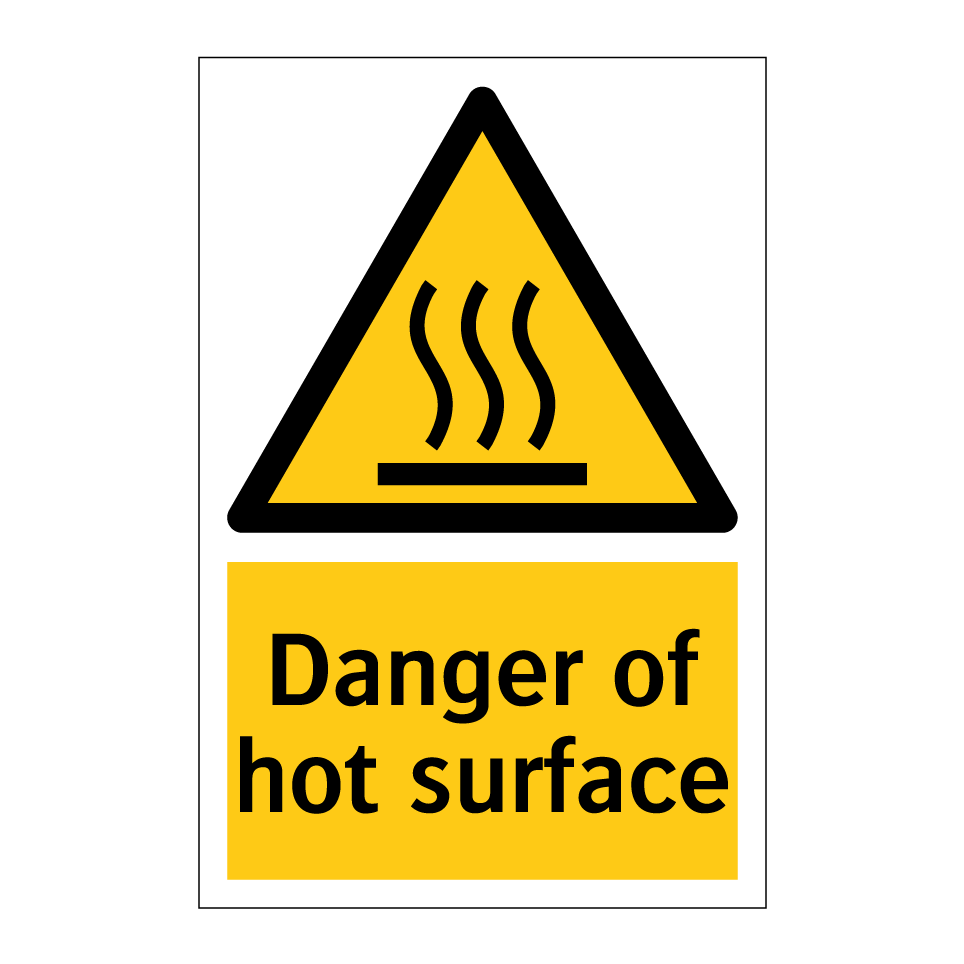


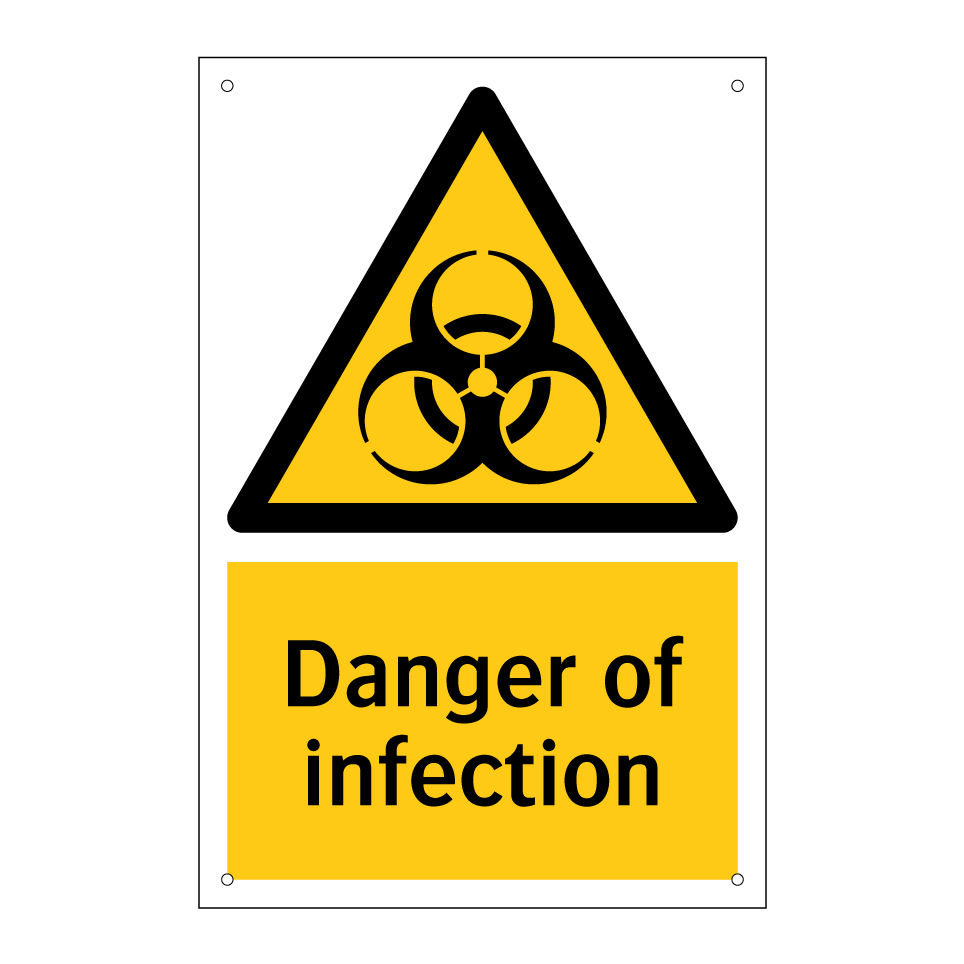


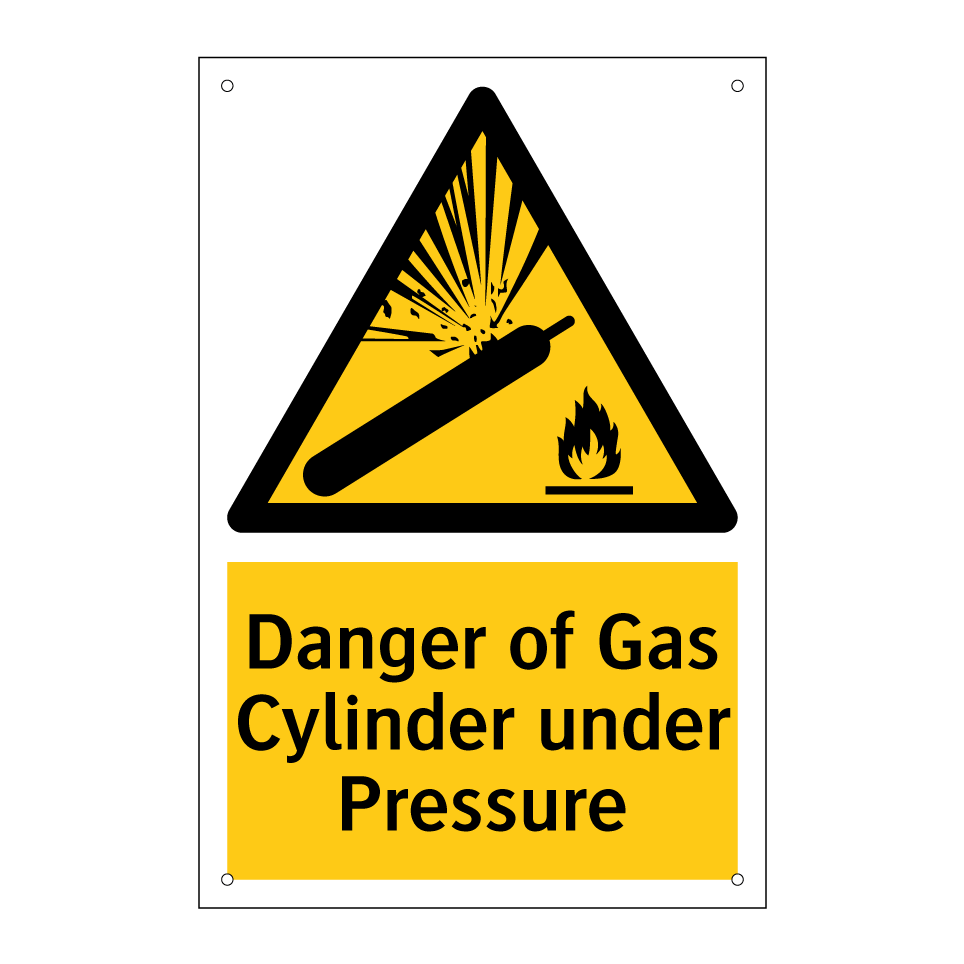
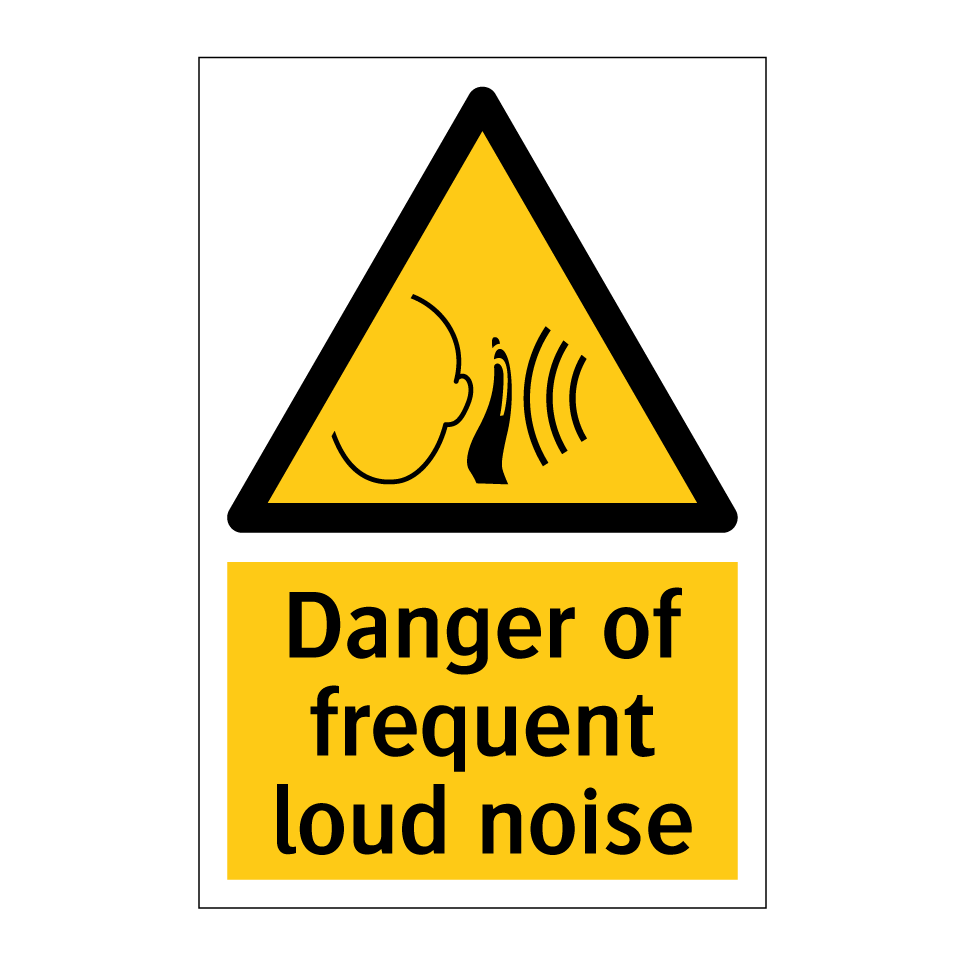











Translation missing: de.collection.general.no_matches
Translation missing: de.collection.general.no_matches_description
Translation missing: de.general.error
Translation missing: de.collection.general.error_loading
When to use DANGER rather than WARNING
Use DANGER only where the hazard is immediate and the likely outcome is death or serious injury. Use WARNING where serious harm is possible but not immediate, and CAUTION where the likely injury is minor or moderate. Applying DANGER too widely is the most common signage mistake: it trains people to discount the word, so it stops working where it genuinely matters.
Where danger signs are typically used
- High voltage equipment, switch rooms and substations
- Confined spaces requiring permit entry
- Unguarded machinery and moving parts
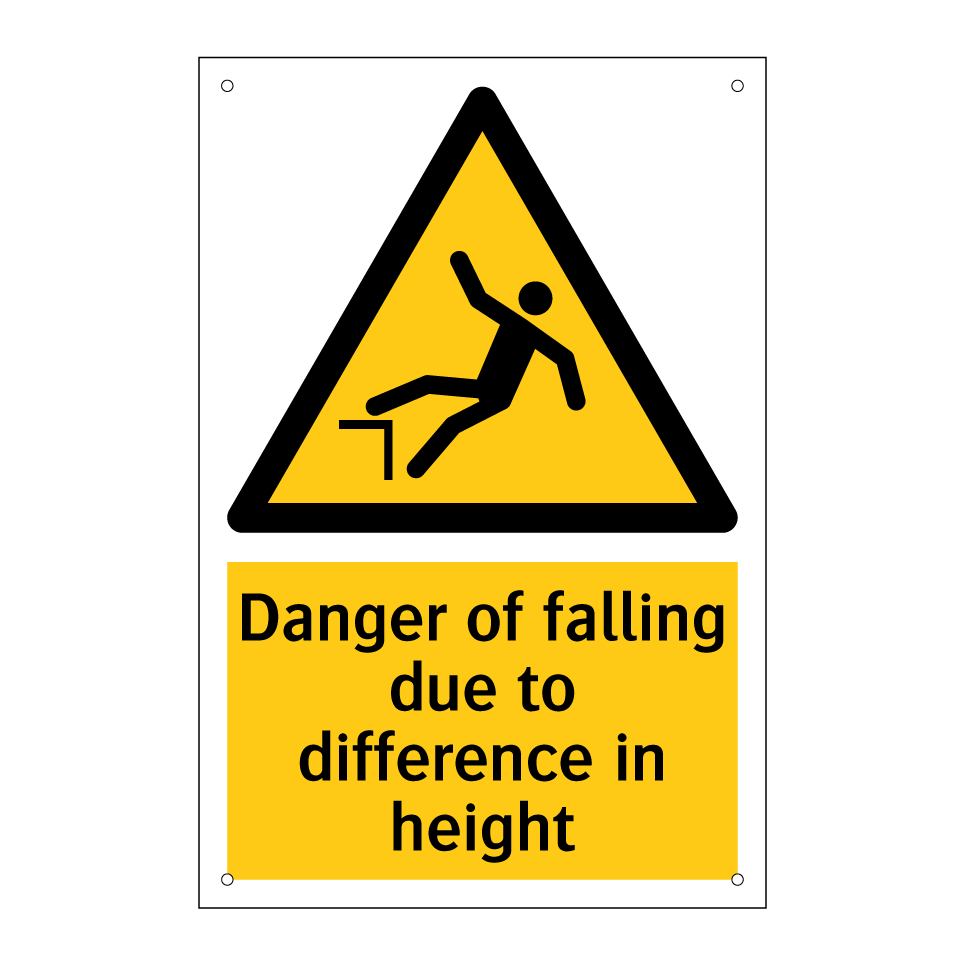
- Fall risks, open shafts and unprotected edges
- Asphyxiation and toxic atmosphere risks
- Explosive or highly flammable storage
Choosing a material
Aluminium is the default for outdoor, wet and industrial positions, lasting 7-10 years without rusting or fading. Rigid plastic suits indoor walls and doors. Self-adhesive vinyl works on machinery, glass and curved surfaces. Photoluminescent versions stay visible during power loss, which matters in plant rooms and stairwells.
Frequently asked questions
What colour is a danger sign?
Red, white and black. The word DANGER appears in white on a red oval set in a black rectangle, with the message below in black on white. This follows ANSI Z535.2.
Are danger signs a legal requirement?
In many workplaces hazards must be identified and communicated, and signage is the usual method. The specific obligations depend on your industry, jurisdiction and risk assessment, so confirm what applies to your site rather than assuming a single rule.
Can I add my own wording to a danger sign?
Yes. The designer lets you set custom text, symbols, size and material while keeping the standard DANGER header format intact.
What size danger sign should I use?
Allow roughly 25mm of letter height per 10 metres of viewing distance. 200x300mm covers most indoor use; 300x450mm or larger suits plant areas, yards and anywhere people approach at speed.
